A one-day workshop reviewing the National Malaria Program was held by the Ministry of Public Health
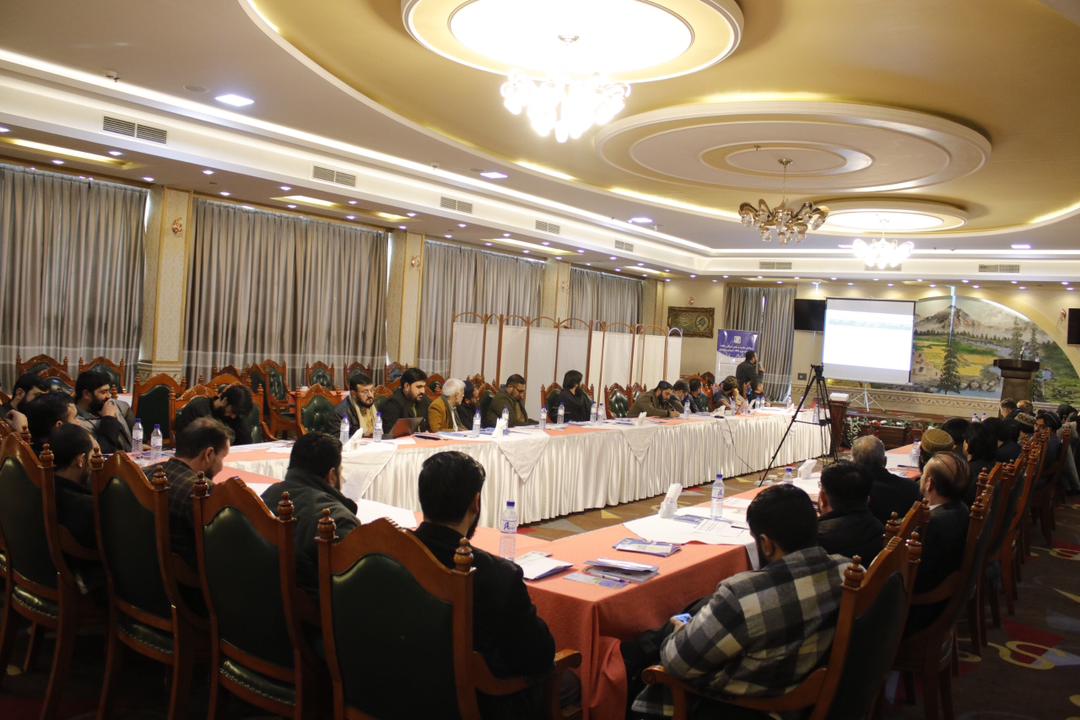
The workshop was attended by the Ministry’s Deputy for Health Services, Mawlawi Abdul Wali Haqqani, several central directors of the Ministry, representatives from the World Health Organization (WHO), UNDP, and implementing agencies.
Deputy Minister Haqqani said, “The year 2025 was full of various challenges for our country, but despite all limitations, we managed to reduce malaria cases by nearly 15% compared to 2024, which is a significant and encouraging achievement.” He added that the workshop provides an important opportunity to evaluate the activities of the National Malaria Control Program and to plan effective strategies for the coming years. He emphasized the Ministry’s commitment to strengthening efforts and closely collaborating with partners in this area.
Dr. Hezbullah Fitrat, Head of Malaria and Other Communicable Diseases Control, highlighted program achievements: “Based on recent WHO recommendations, national treatment guidelines for malaria, leishmaniasis, and dengue were updated in 2025. Twenty outbreaks were controlled, health center monitoring was conducted, and mosquito nets were distributed for malaria control as follows: 121,000 in Nuristan, 175,051 in Paktika, 53,300 in Kabul, 27,250 in Ghazni, 220,297 to pregnant women in the eastern zone, and 25,666 to earthquake-affected households in Kunar and Nangarhar.”
The workshop also included presentations by WHO, UNDP, and other agencies, who shared activity reports and reaffirmed their commitment to collaborate on malaria and other communicable disease control.
